Last Updated on September 29, 2026
If you have color-treated hair and a hair follicle drug test coming up, the recommended approach is Mike’s Macujo Method combined with authentic Macujo Aloe Rid Shampoo, not random bleaching or dyeing. Run the Required Washes Calculator now to find your exact wash count, or call for an Afterhours Personal Consultation if your test date is close. Skip the DIY color treatments: they complicate lab interpretation without reliably clearing anything.
TL;DR:
- The success of Mike’s Macujo Method on chemically treated hair relies heavily on following the exact wash count and sequence, personalized by the Required Washes Calculator.
- Using authentic Macujo Aloe Rid Shampoo and avoiding store-brand substitutes or additional color treatments ensures the protocol’s effectiveness and prevents interference with lab analysis.
- Damaged, bleached, or heavily processed hair complicates drug detection, but the protocol remains applicable with careful water temperature control and optional conditioning to reduce damage.
- Inconsistent reductions in drug concentrations after chemical treatments mean pairing the protocol with urine or oral tests provides more reliable verification.
- Starting the wash regimen well in advance, with a detailed schedule and possible consultation, is vital to avoid failure due to skipped or shortened protocols.
Table of Contents
- Why Mike’s Macujo Method works for chemically treated hair
- Your step-by-step wash protocol for colored hair
- What research says about dyeing, bleaching, and drug test results
- How long drugs stay detectable and when to verify with other tests
- Protecting your hair and scalp during an intensive wash protocol
- A note from the method’s creator on the mistake colored-hair clients make most
- Getting the right products and support before your test
- Where these figures come from
- Sources
- FAQ
Why Mike’s Macujo Method works for chemically treated hair
Mike’s Macujo Method is a nine-step process built around repeated, precisely timed washes with a specialized Aloe Rid Shampoo, designed to work on hair that has already been colored, bleached, or otherwise processed. It was developed for high THC exposure along with other drugs and alcohol, and it depends on following each step exactly, including product authenticity and wash sequencing.
Reported success rates are cited for two versions of the method:
- A high success rate when every step and wash count is followed correctly.
- An older version designed mainly for low to moderate THC exposure, with a lower success rate and temporary results.
The Required Washes Calculator personalizes your wash count using the substance involved, your last use date, and how often you used over the prior 90 days. Two people with the same test date can need very different numbers of washes, which is why generic instructions found online tend to underperform. Colored or chemically treated hair does not disqualify you from the method: the same protocol applies, with some adjustments to protect what color remains.
Pro Tip: Avoid substituting the recommended specialized clarifying shampoo with store-brand alternatives, as the formula and wash sequence are closely linked.
Your step-by-step wash protocol for colored hair
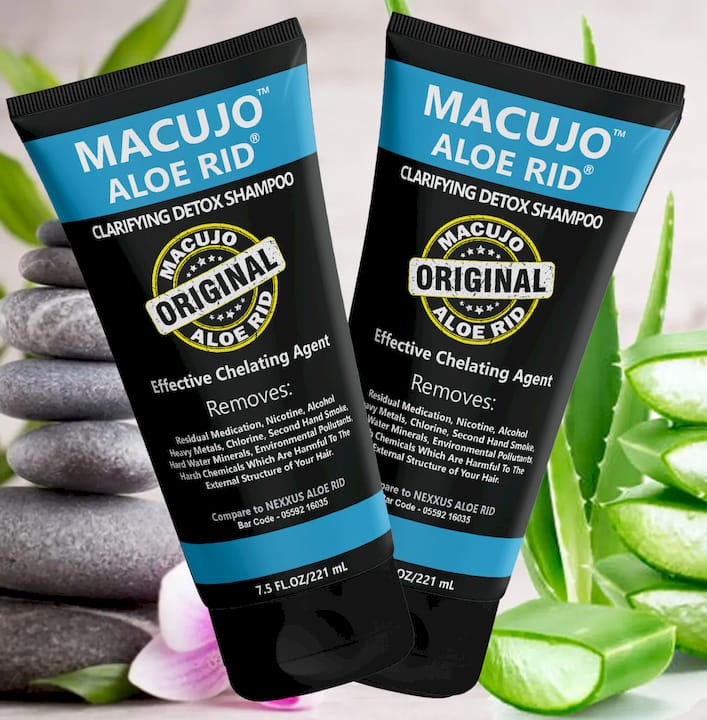
Before you start, gather genuine Macujo Aloe Rid Old Formula Shampoo, clean towels, and a private bathroom where you can control water temperature. Confirm your required wash count using the Required Washes Calculator before you begin, since guessing the number undermines the whole protocol.
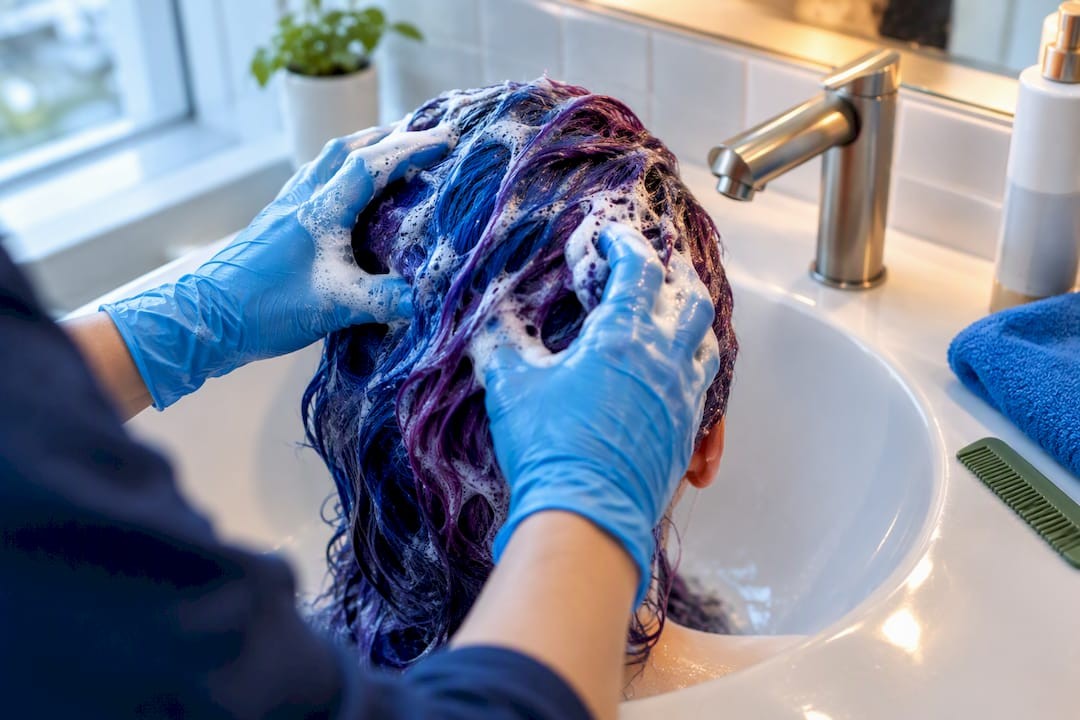
- Wet hair thoroughly with warm (not hot) water to open the hair shaft without stripping additional color.
- Apply Macujo Aloe Rid Shampoo directly to the scalp and work it through the full length of the hair, focusing on the roots.
- Let the shampoo sit for the dwell time specified in your method instructions rather than rinsing early.
- Rinse completely, then repeat the wash cycle according to your personalized count from the calculator.
- Space washes as instructed rather than compressing them into a single day, since spacing affects how the method performs.
- On the final washes before your test, follow the finishing steps precisely, including any specified rinse-out or conditioning steps.
For color-treated hair, keep water on the cooler side of warm and avoid adding extra clarifying or color-stripping products on top of the method. Extra products do not add cleansing power here and mainly add unnecessary color loss. Conditioning between washes, using a product without added silicones, can reduce breakage without interfering with the protocol.
If your test is fewer than 10 days away, or your hair has been recently bleached or chemically damaged, treat this as a short-timeline case: skipping washes to save time is the most common cause of failed attempts, not too few days. Contact an Afterhours Personal Consultation as soon as possible so someone can walk you through condensing or adapting the schedule for your specific situation, including dreadlocks or heavily processed hair, which follow a slightly different protocol.
Pro Tip: Write your wash schedule on your phone calendar the day you get your required-wash number. Protocols fail more often from missed days than from any flaw in the method itself.
What research says about dyeing, bleaching, and drug test results
Chemical hair treatments change analyte concentrations, but not in a way you can rely on for a guaranteed outcome. A 1997 study on chemical treatment effects found reductions of roughly 40% to 90% depending on the substance, with cocaine dropping by as much as 90%, MAM by 89%, and MDMA by around 80%. THC and BZE, however, showed inconsistent responses, sometimes decreasing and sometimes increasing after treatment.
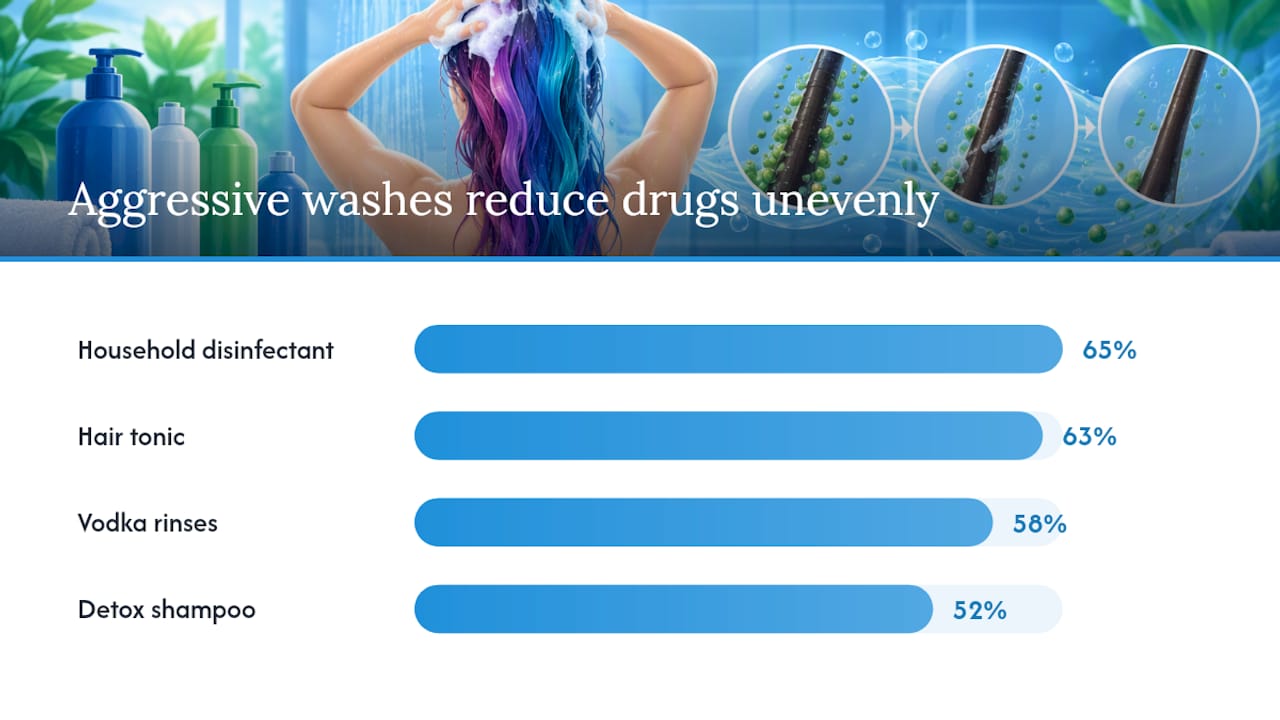
Controlled studies on marketed detox products show similarly uneven results: research on commercially available products found THC reductions of roughly 50% to 65% after repeated, aggressive washing, with vodka rinses cutting concentrations by 58%, a hair tonic by 63%, a detox shampoo by 52%, and a household disinfectant by 65%. That range makes clear that cosmetic bleaching or dyeing alone is not a controlled, validated protocol; it is closer to a chemical accident that sometimes helps and sometimes does not.
- Reductions vary widely by substance, treatment type, and how aggressively the hair was washed.
- THC and BZE can show unpredictable increases rather than decreases after some treatments.
- Because outcomes are inconsistent across analytes, pairing a validated protocol with consultation and complementary urine testing is a more reliable strategy than chemical processing alone.
How long drugs stay detectable and when to verify with other tests
Hair testing typically reflects a 90 day detection window, based on a 1.5 inch proximal hair sample, and labs need about 100 mg of hair, roughly 90 to 120 strands, to run both an initial and confirmatory analysis. If you cannot provide that length, whether from short hair or shaving, employers commonly switch to urine or oral fluid testing instead, which carries a much shorter detection window.
- Start your wash protocol with enough runway before your test date to complete every required wash without compressing the schedule.
- If your hair is visibly damaged or heavily processed, plan for the possibility that a lab flags the sample for additional review.
- Where the situation allows it, using a complementary urine or oral test alongside the hair protocol adds a layer of verification, particularly for chemically processed hair.
Understanding how hair drug testing actually works helps you plan washes relative to your specific test date rather than relying on a generic countdown.
Protecting your hair and scalp during an intensive wash protocol
Repeated washing combined with prior chemical color treatment stresses both hair and scalp. Expect some dryness, increased breakage, and faster color fade than normal, especially if hair was recently bleached.
- Use cool to lukewarm water rather than hot to reduce additional color stripping and scalp irritation.
- Add a lightweight, silicone-free conditioner between required washes to reduce breakage without undermining the method.
- Avoid any additional bleaching, dyeing, or chemical relaxing until after your test is complete.
Pro Tip: If your scalp becomes raw, itchy, or visibly irritated, pause and let it settle for a day before resuming; pushing through irritation risks more damage than a short delay does. If irritation persists or you are unsure whether to continue, a consultation call can help you adjust the protocol safely.
A note from the method’s creator on the mistake colored-hair clients make most
The biggest mistake I see from clients with colored or bleached hair is treating the wash count as a suggestion instead of a requirement. People stop early because their hair “looks clean,” or they swap in a drugstore product because it is easier to find. Both choices undo the protocol. Run the Required Washes Calculator honestly, follow every wash, and call for a consultation if your timeline is tight.
— MIchael
Getting the right products and support before your test
Following Mike’s Macujo Method starts with authentic Macujo Aloe Rid Old Formula Shampoo, the product the entire wash protocol is built around, and no substitute performs the same role.
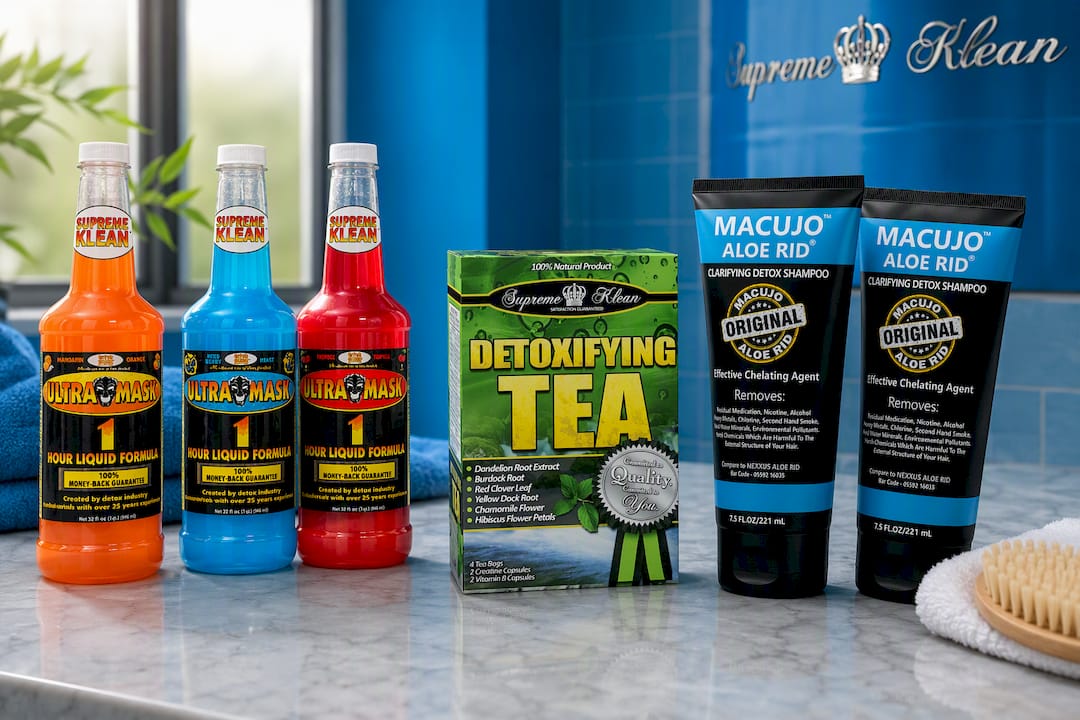
For added support around your test date, Supreme Klean Ultra Mask Detox Drink and Supreme Klean Detoxifying Tea serve as supporting products alongside the hair protocol, not replacements for it.
- Book an Afterhours Personal Consultation for $100 one time if your timeline is short or your hair has heavy chemical processing.
- Browse the full hair product line to see how each item fits into the method.
Checkout is straightforward, with shipping options at order time and support resources available if you have questions about your specific wash count or hair history. Start at Macujo to review your options before your test date arrives.
Where these figures come from
Key claims here draw from a 1997 study on chemical treatment effects, research on commercial detox products, Quest Diagnostics hair testing guidance, and Labcorp’s hair testing FAQ, covering analyte behavior, lab procedure, and sample requirements.
Sources
- Journals / PubMed article (1997) documenting analyte reductions after chemical hair treatments
- Manipulation of THC hair concentrations by commercially available products - PMC
- Quest Diagnostics: Hair testing - FAQ
- Labcorp: Hair drugs of abuse testing - FAQs
FAQ
Does dyeing or bleaching my hair help me pass a hair follicle test?
Not reliably. Chemical treatments can reduce some drug concentrations but the effect is inconsistent across substances, and large lab providers report that typical cosmetic bleaching or dyeing usually does not change the reporting category on its own.
How many washes do I need for colored hair before a test?
Your exact number depends on the substance, your last use date, and your use frequency over the prior 90 days, which is why the Required Washes Calculator generates a personalized count rather than a fixed number for everyone.
What is the difference between Mike’s Macujo Method and the old Macujo Method?
The older Macujo Method targets low to moderate THC exposure, reports roughly a 90% success rate, and produces only temporary results.
How much hair do labs need for a follicle test?
Labs typically need about 100 mg of hair, roughly 90 to 120 strands, taken from a 1.5 inch proximal sample, which corresponds to a 90 day detection window. If you cannot provide that length, an employer may switch to urine or oral fluid testing instead.
What should I do if my test is only a few days away?
Run the Required Washes Calculator immediately to see whether your timeline allows for a full protocol, and book an Afterhours Personal Consultation so someone can help you adapt the schedule to your specific situation.