Last Updated on September 30, 2026
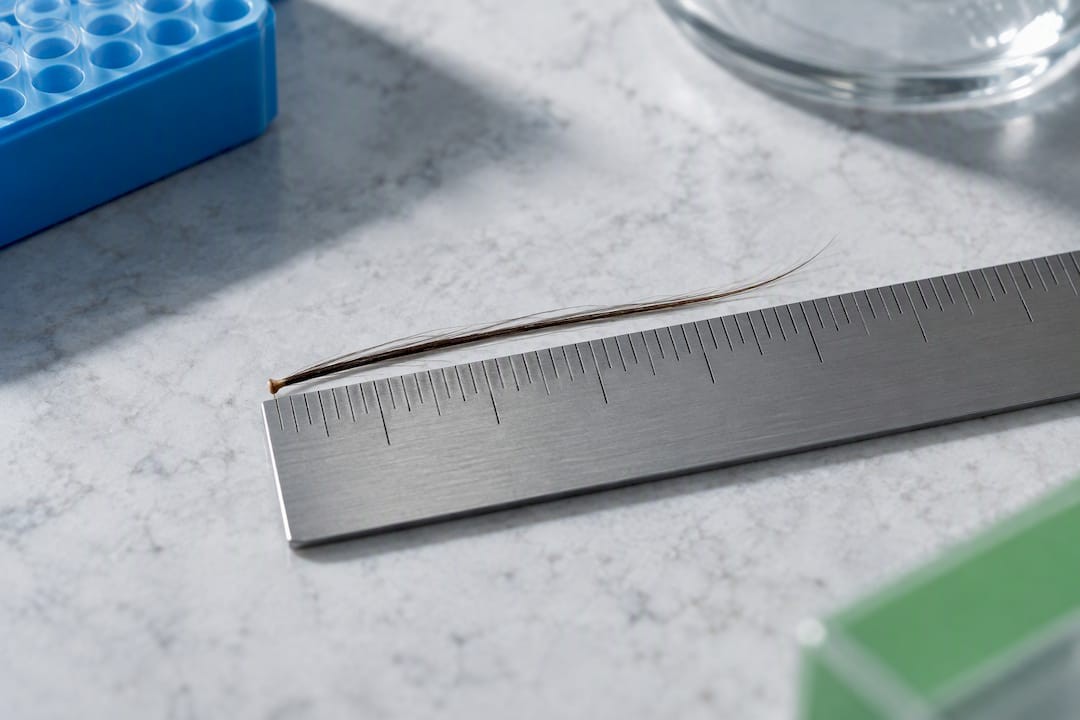
No, having long hair does not stretch out the standard detection window on a routine hair drug test. Labs sample only the first 1.5 inches of hair closest to the scalp, which reflects roughly the last 90 days of use. Extending that window requires a separately requested segmental or tip analysis, and even recent use typically needs 5 to 7 days of hair growth before it shows up at all.
TL;DR:
- The detection window for standard hair tests remains about 90 days, regardless of hair length, since only the first 1.5 inches near the scalp are analyzed.
- Segmental or tip testing can extend the analysis period, but sensitivity declines with older hair segments due to degradation and variability in growth rates.
- Hair collection typically requires about 100 milligrams, or 90 to 120 strands, taken from the back of the scalp in a specific, standardized manner to ensure reliable results.
- External contamination and cosmetic treatments can affect test outcomes, but confirmatory testing with metabolite detection and decontamination washes reduces false positives.
- Hair longer than 1.5 inches, braids, or body hair samples are only useful when specifically requested, with longer hair providing less precise, often estimated, timelines.
Table of Contents
- What standard hair tests measure and why 1.5 inches equals 90 days
- When total hair length matters: segmental analysis and tip testing
- Sample requirements and collection procedure
- How contamination, cosmetic treatments, and biology affect results
- Options when hair is very long, braided, trimmed, or too short
- What Macujo brings to readers navigating this process
- What actually matters more than hair length
- Getting ready before your test day
- Where to check the science and lab standards yourself
- Sources
- FAQ
What standard hair tests measure and why 1.5 inches equals 90 days
Scalp hair grows at a fairly predictable rate, and that rate is the whole basis for how labs read a hair sample. Average growth runs close to half an inch per month, so a 1.5-inch segment cut close to the scalp lines up with about three months of history according to Labcorp’s hair testing overview. Labs align the root end of every strand in the sample before cutting, because even a small mismatch in where the measurement starts throws off the timeline.
Roughly 100 milligrams of hair, or about 90 to 120 strands, is the standard amount labs need for both initial screening and confirmatory testing. That mass gives the lab enough material to run a screen and, if needed, a confirmation without depleting the sample.
A few things shape why the 1.5-inch window became the default:
- It captures a period long enough to catch occasional use while staying short enough to interpret reliably.
- Cutting close to the root minimizes the effect of hair aging, sun exposure, and washing on older growth.
- It matches the amount of hair most donors can spare without leaving a visible gap.
When total hair length matters: segmental analysis and tip testing
Total hair length only becomes relevant when someone specifically requests a longer look back, which is not part of a standard workplace or clinical screen. Segmental analysis, sometimes called tip testing when it targets the ends of longer hair, cuts the strand into multiple sections and analyzes each one separately to build a rough timeline of use over many months.
This kind of testing has real limits. Hair further from the scalp has been exposed to washing, sun, and styling products for longer, and that exposure degrades the drug residues stored inside the strand. A review of hair testing methods notes that segmental and micro-segmentation techniques can sharpen the time resolution, but individual differences in growth rate make the timeline less precise the further back you go.
That is largely why routine programs stick to the root-end 1.5-inch cut:
- Sensitivity drops as you move away from the scalp, raising the risk of a false negative for older segments.
- Interpreting a multi-month timeline requires assumptions about growth rate that vary from person to person.
- Most employers and clinics only need to know about the last few months, not a multi-year history.
Sample requirements and collection procedure
Collectors rarely weigh hair on the spot, so they rely on visual shortcuts. A lock of hair about the diameter of a pencil, or roughly 90 to 120 strands, approximates the 100 milligrams a lab needs.
- The collector selects hair from the posterior vertex, the back of the crown, where growth is the most consistent across the scalp.
- They align every strand’s root end in the same direction before cutting, since a reversed strand ruins the timeline.
- Several small cuts from different spots replace one large cut, which keeps the donor from ending up with a visible bald patch.
Samples get rejected for predictable reasons: not enough hair, strands packaged loose instead of sealed with the root end marked, or missing chain-of-custody documentation.
Pro Tip: If you’re worried about how a collection will look on you, ask ahead whether the collector can take several thin sections rather than one thick lock.
How contamination, cosmetic treatments, and biology affect results
A positive result should reflect what someone ingested, not what touched their hair from the outside. That is why confirmatory testing looks for metabolites, the compounds the body produces after processing a drug, rather than just the parent drug itself, since metabolites are far less likely to show up from secondhand smoke or handling.
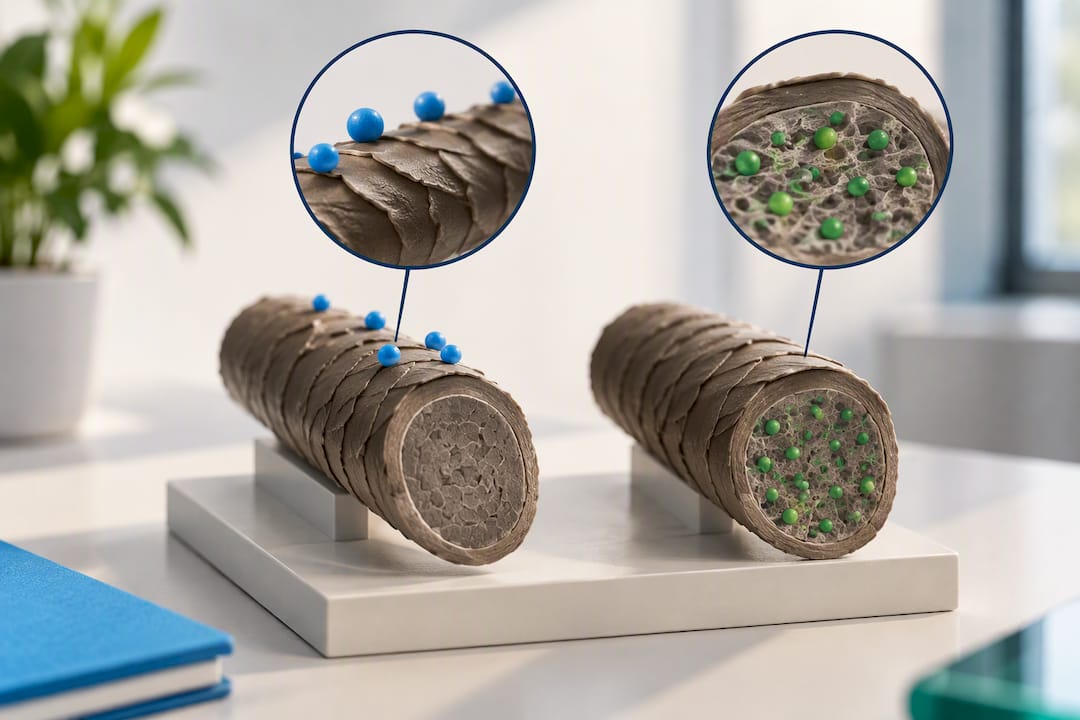
The Society of Hair Testing consensus recommends validated decontamination washes before analysis specifically to strip away surface contamination that has not been absorbed into the hair shaft. Labs also document any cosmetic treatments at collection, because bleaching, dyeing, and heavy UV exposure all break down the hair structure and can lower analyte levels.
Key points worth knowing:
- Metabolite confirmation, not just parent-drug detection, is the main tool for ruling out environmental exposure.
- Decontamination wash steps recommended by SoHT are designed to reduce false positives from contact contamination.
- Chemically treated or heavily sun-exposed hair can test lower than untreated hair even with identical drug exposure, which is why treatment history gets recorded at the time of collection.
Options when hair is very long, braided, trimmed, or too short
Not every donor shows up with a full head of untouched scalp hair, and labs have procedures for that. When scalp hair is too short or unavailable, collectors turn to body hair, usually starting with chest or underarm hair before facial or leg hair, in the order Healthline outlines.
Body hair grows more slowly and less predictably than scalp hair, so any detection window drawn from it is treated as an estimate rather than a precise 90-day figure. For donors with braids, extensions, or hairpieces, collectors have to verify that the hair sampled actually grew from that person’s scalp, since non-donor hair invalidates the result under Quest Diagnostics’ collection guidance.
- Very long hair gets cut root-first, with the root end marked, regardless of how much length extends past the 1.5-inch mark.
- Donors expecting a test soon should assume the standard 90-day window applies and plan around recent use rather than hair length.
- When timing is uncertain, a supervised pre-test or a documented consultation beats guessing.
What Macujo brings to readers navigating this process
Macujo has focused on hair drug testing preparation since roughly 1999, built around the work of Mike, creator of the old Macujo Method and Mike’s Macujo Method. That history means the guidance here is grounded in the same lab conventions described above, not generic advice detached from how collection and testing actually work.
Readers weighing their options have a few tools available:
- A hair test kit for checking status before a real screening.
- A personal consultation service for one-on-one guidance on timing and preparation.
- A multi-drug oral fluid test for situations where saliva testing, not hair, is the method in play.
A required washes calculator translates a person’s substance, last-use date, and 90-day use frequency into a specific preparation timeline, mirroring how labs think about detection windows rather than relying on generic countdowns. More on the detection window itself and how it interacts with hair growth is covered in Macujo’s related guides.
What actually matters more than hair length
Shortcuts and myths about hair length distract from the two things that actually decide the outcome: how recently someone used, and whether the collection follows the protocol described above. No shampoo or home remedy changes hair that has not grown out yet, and no amount of length beyond 1.5 inches gets pulled into a routine screen.
If the stakes are high, verify how the collection will be handled, consider a home pre-test first, and book a consultation before assuming you know where you stand.
— MIchael
Getting ready before your test day
Macujo’s products exist for the gap between knowing the lab conventions and knowing your own situation. 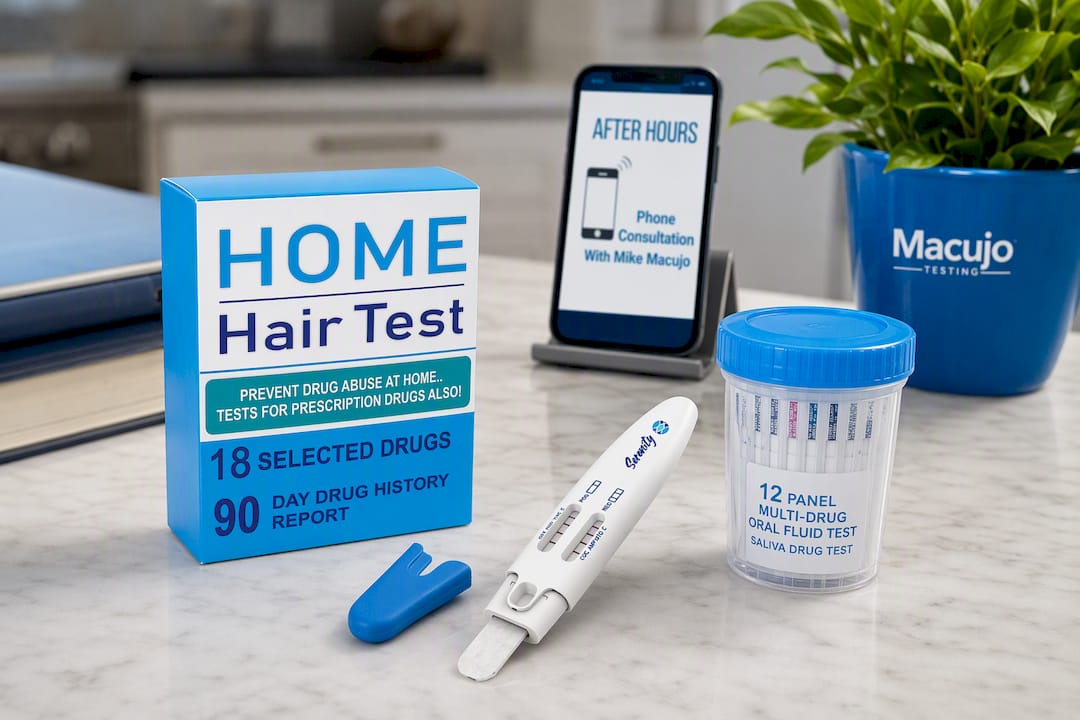
- The Home Hair Test kit lets you check where you stand before a real screening catches you off guard.
- The Afterhours Personal Consultation connects you with someone who can talk through your specific timeline and substance history.
- The 12-Panel Multi-Drug Oral Fluid Test covers situations where saliva, not hair, is what’s on the table.
None of these guarantee a specific result, and following your lab’s exact instructions still matters most. For guided preparation built around your own use history, the Macujo shop is the place to start, or explore the Aloe Rid Old Formula Shampoo for at-home preparation.
Where to check the science and lab standards yourself
These sources back the figures and procedures described above, and they’re worth bookmarking if you want to verify anything with an employer or lab directly.
- The SoHT consensus document covers decontamination, segmentation, and metabolite confirmation standards.
- Labcorp’s hair testing page explains sample size and the 90-day window in plain terms.
- Quest Diagnostics’ FAQ details collection sites and strand counts.
- Healthline’s overview explains lag time and body hair alternatives.
This list is a starting point, not a full bibliography.
Sources
- Hair Follicle Drug Testing: Process & Benefits | Labcorp
- Hair Drug Screening Facts & Information | Quest Diagnostics
- Hair follicle drug test | Healthline
- SoHT consensus on drugs of abuse testing in hair (2021)
FAQ
What throws off a hair follicle test?
External contamination, such as secondhand smoke or contact with drug residue, can occasionally affect surface readings, which is why labs run decontamination washes and confirm results using metabolites rather than the parent drug alone. Heavy bleaching or dyeing can also lower analyte levels by damaging the hair shaft.
How to pass a hair strand test?
There’s no universal shortcut, since results depend on your actual use history and how closely the lab follows standard collection and testing protocols. Programs like Mike’s Macujo Method use a calculator based on substance, last-use date, and 90-day frequency to build a preparation timeline suited to your situation.
How to pass a hair follicle test in 2026?
The underlying lab science hasn’t changed: standard tests still sample the first 1.5 inches from the root, reflecting about 90 days of history. Preparation still comes down to timing, honest accounting of recent use, and following a method matched to your specific substance and frequency.
How long does it take for your hair to be clean from drugs?
Hair that has already grown in and stores drug residue doesn’t get “cleaned” from the inside, since the residue is locked into the strand as it forms. The practical clock is growth time: it takes about 5 to 7 days after use before affected hair even grows above the scalp to be collected, and roughly 90 days for that use to grow past the 1.5-inch testing window entirely.